Updated February 17, 2026 04:21PM
Images of a Cold, Wet, and Treacherous Barkley Marathons
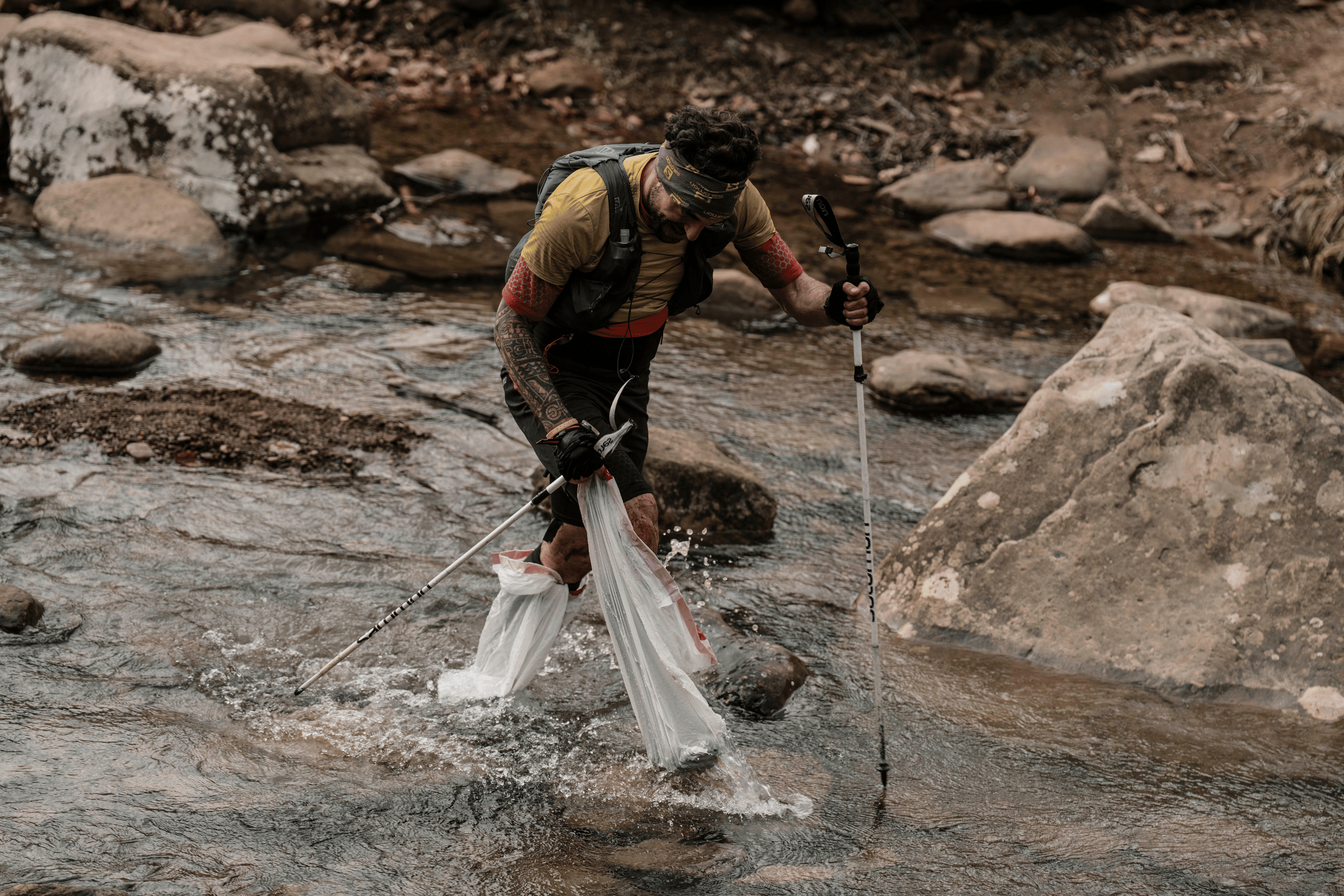
"Then he came and it was like a Biblical moment, the telephone wires like a cross. He was submerging from heaven to the underworld. He had this haunted look in his face, and then he slipped and started laughing."
(Photo: Jacob Zocherman)
There are at least 2,674 reasons why the Barkley Marathons is the most unique footrace in the world. The unknown start time, the books hidden along the course, the secret application process, we could go on and on—as we’ve done in our full Barkley Marathons guide.
And there are approximately as many superlatives to describe it. In addition to being, by many accounts, the toughest running race, it’s also the most captivating. I chewed on why that is after the 2026 race ended with zero finishers at 8:32 p.m. on February 15.
One overlooked aspect that struck me while watching the national propaganda machine that is the Winter Olympics is how the Barkley so ingeniously plays into an “us versus them” identity. The most popular sporting events in the world tap into this basic element of evolutionary survival. Whether you’re a fan of American football or the European flavor, you most likely root for your home team and despise the rest.
Outside of the Olympics every four years, running as a spectator sport suffers from this home-team allure. On paper, professional runners represent their sponsors. But be it a shoe company, vitamin shop, or adult content website (it’s not as bad as it sounds, I promise), it’s hard for us fans to feel any allegiance to a faceless corporate entity, and in turn the runners they represent.
Enter the Barkley Marathons. This race, and the mastermind behind it, pits the runners not against each other, but against the course. That gives all of us, whether we’re anxiously refreshing X in the Netherlands or Namibia, someone to root for. And in turn, this shared collection of tattered heroes bands all Barkley disciples together: “Til next year, random internet friends,” my random internet friend Cathy O’Shannessy tweeted after the race ended.
Part of what brings us random internet friends together is sleuthing for and deciphering the snippets of cryptic information coming out of Frozen Head State Park. We spend days building this world in our heads. Our photographer Jacob “I really look forward to this bad weather” Zocherman spent three-plus days waterlogged and frozen to bring those images to life. As you’ll see, he felt there were distinct phases to the race this year.
ADVERTISEMENT
— Abby Levene, senior editor
Behind the Scenes at the 2026 Barkley Marathons
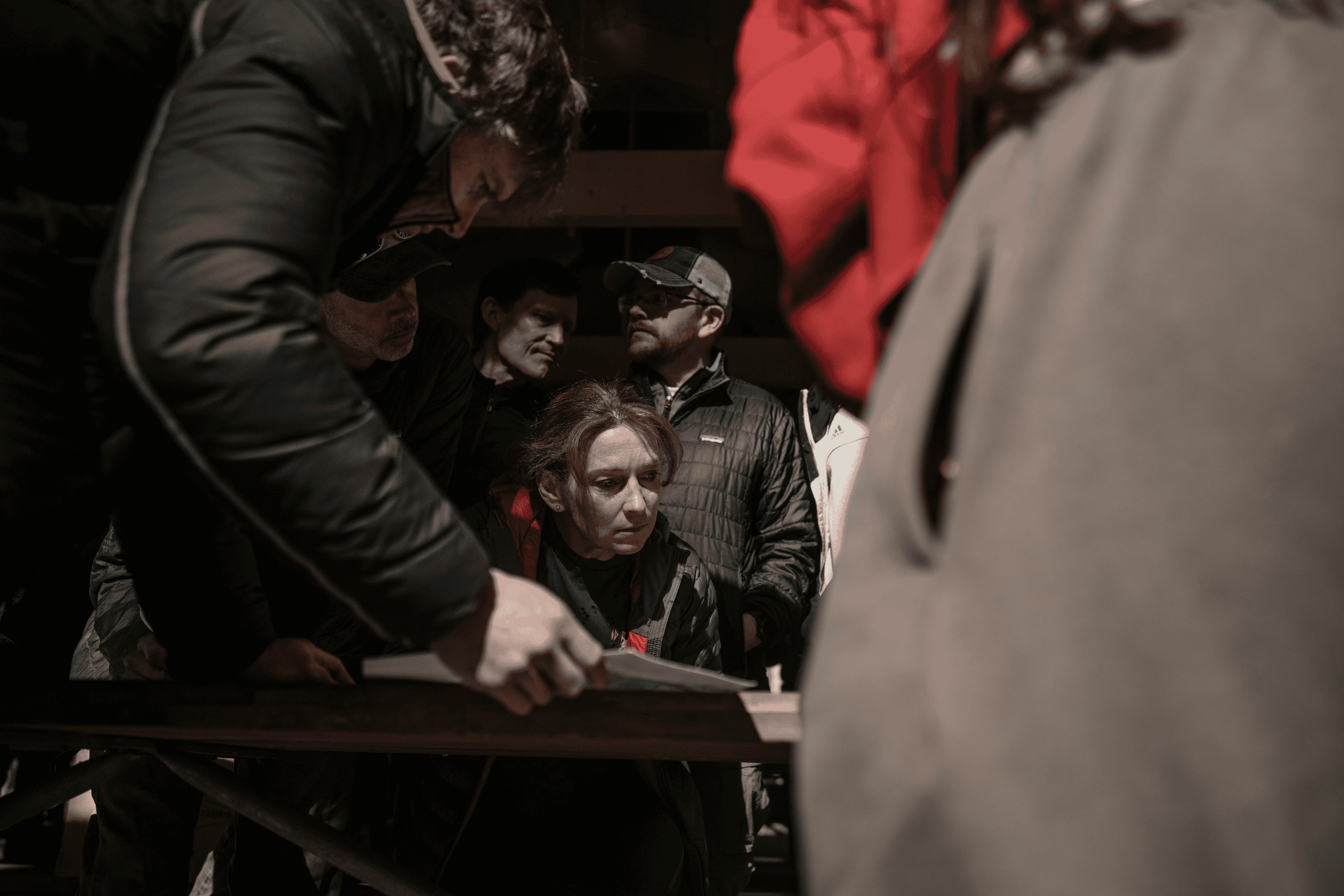
Three-time finisher John Kelly (front left) and Dawn Stone (middle) familiarize themselves with the route on the master map before the race. There are no course markings on the largely off-trail route, and runners are forbidden from using GPS devices. Just a paper map with their own hand-drawn coordinates and a compass. Although Kelly, a nine-time starter, says he rarely looks at his map. “Contrary to popular belief, it is not an orienteering event.”
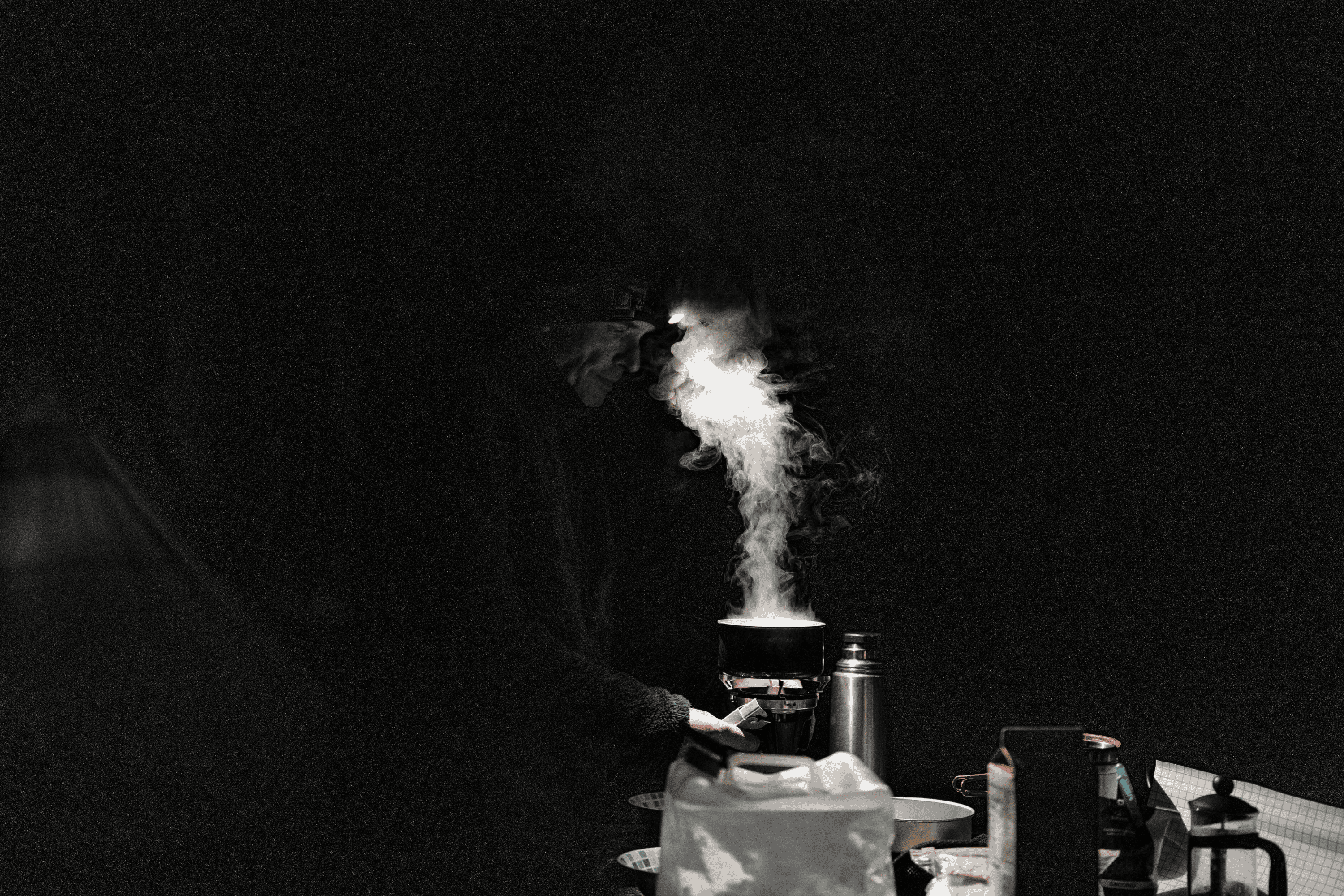
The conch is blown at 5:00 a.m. EST. Runners have one hour until the start. It’s a frenzy of activity among the crews in the camp.
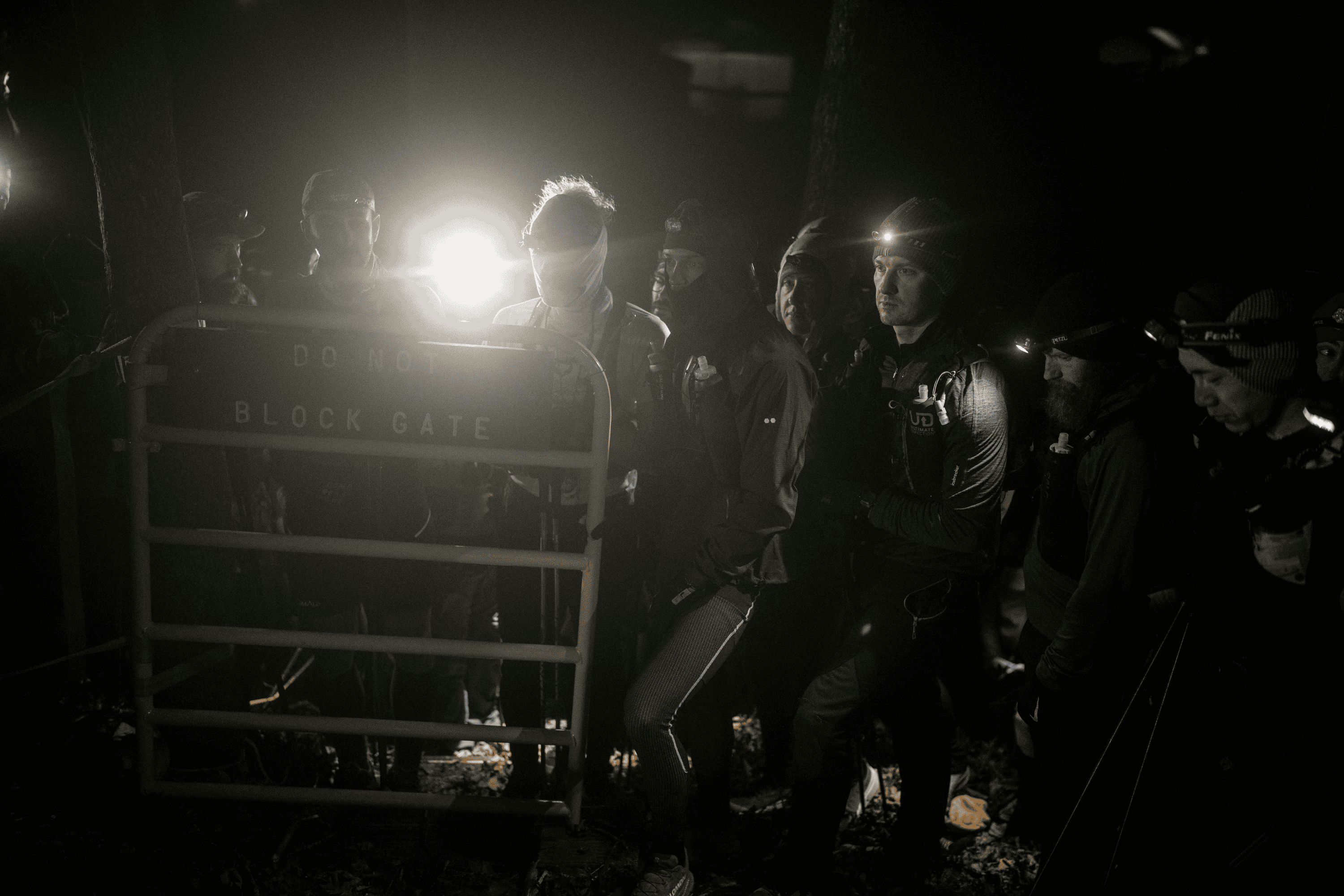
“The Barkers” line up behind the yellow gate, moved from its home at Big Cove Campground, the traditional start/finish of the Barkley that’s undergoing renovations this year. The wait is almost over.
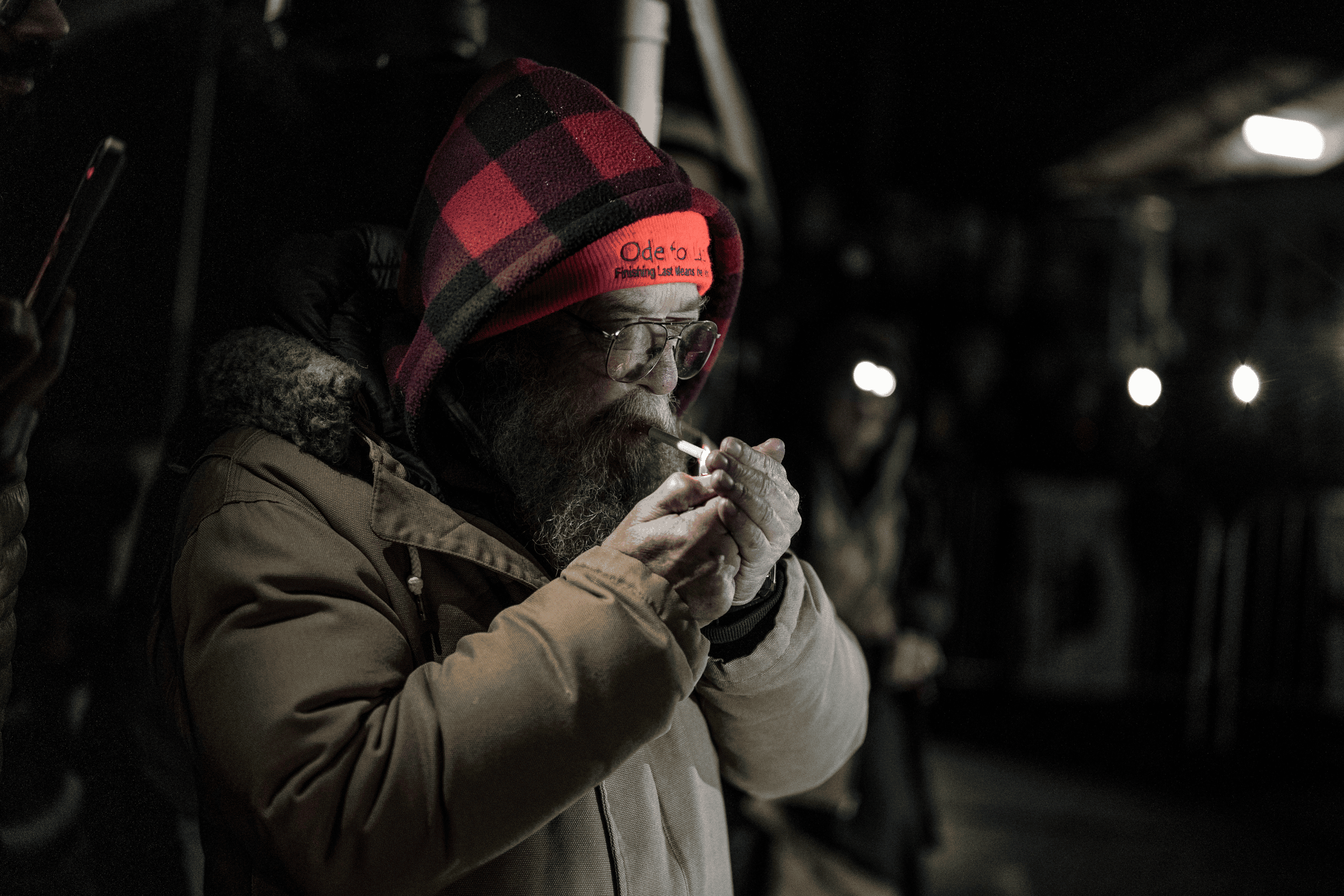
Laz lights the cigarette at 6:00 a.m. The 2026 Barkley Marathons is under way.
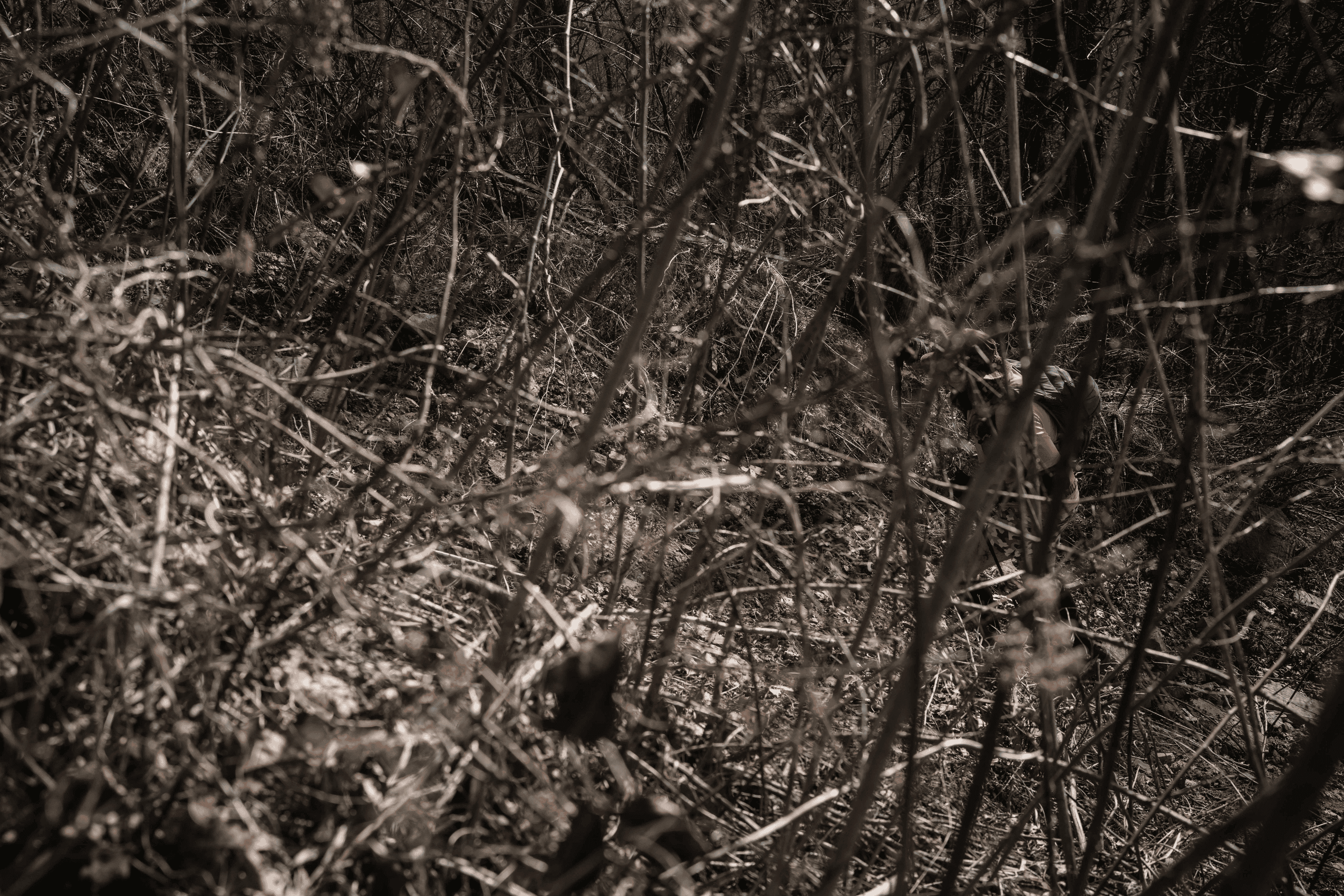
The first runners reach the infamous Rat Jaw climb in under three hours. The sun is high, the anticipation as well. The mood is jovial among runners and crews.
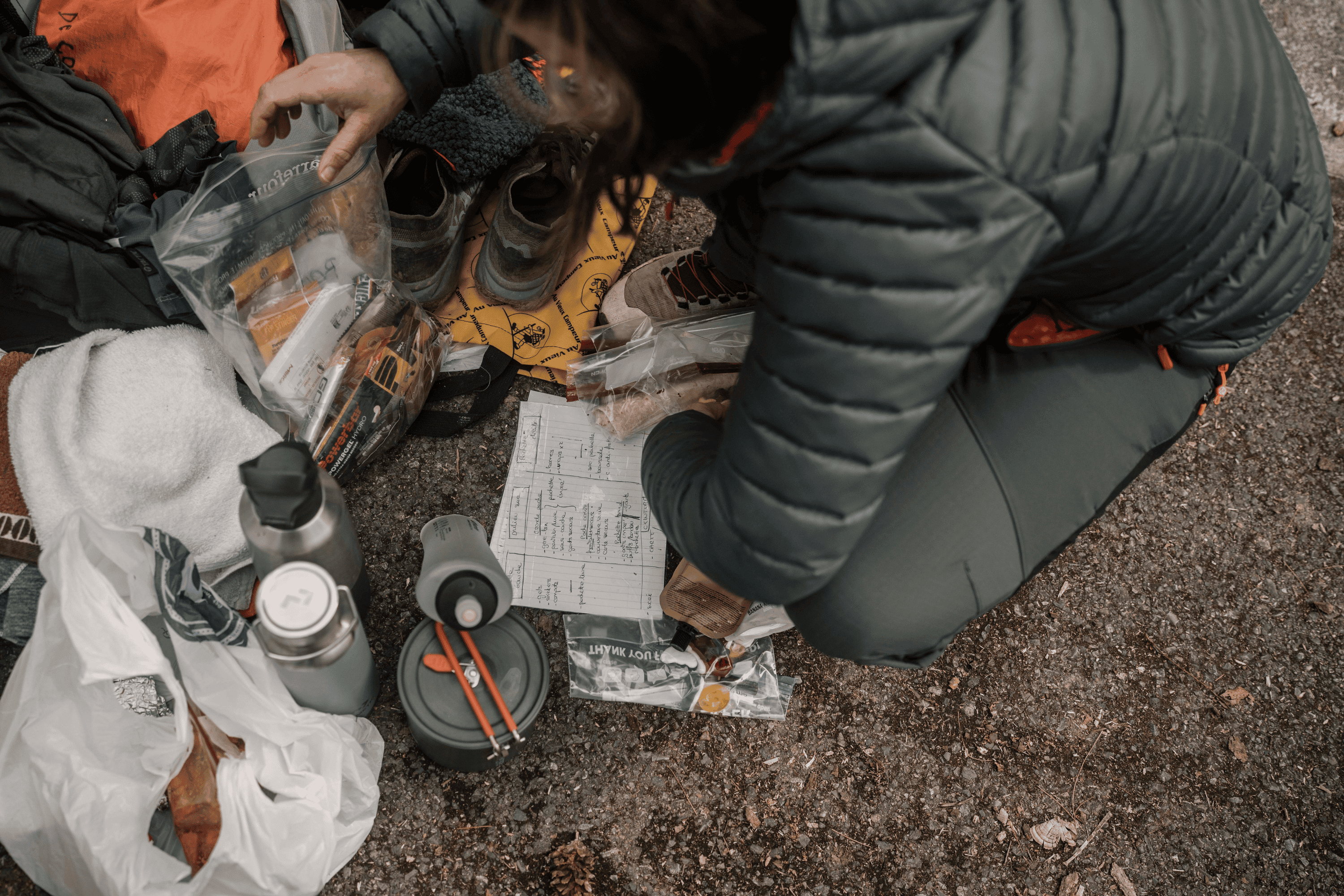
Back at camp, crews meticulously prepare for their runners to return from loop 1. No one knows when that will be, and who will be there. It’s another waiting game.
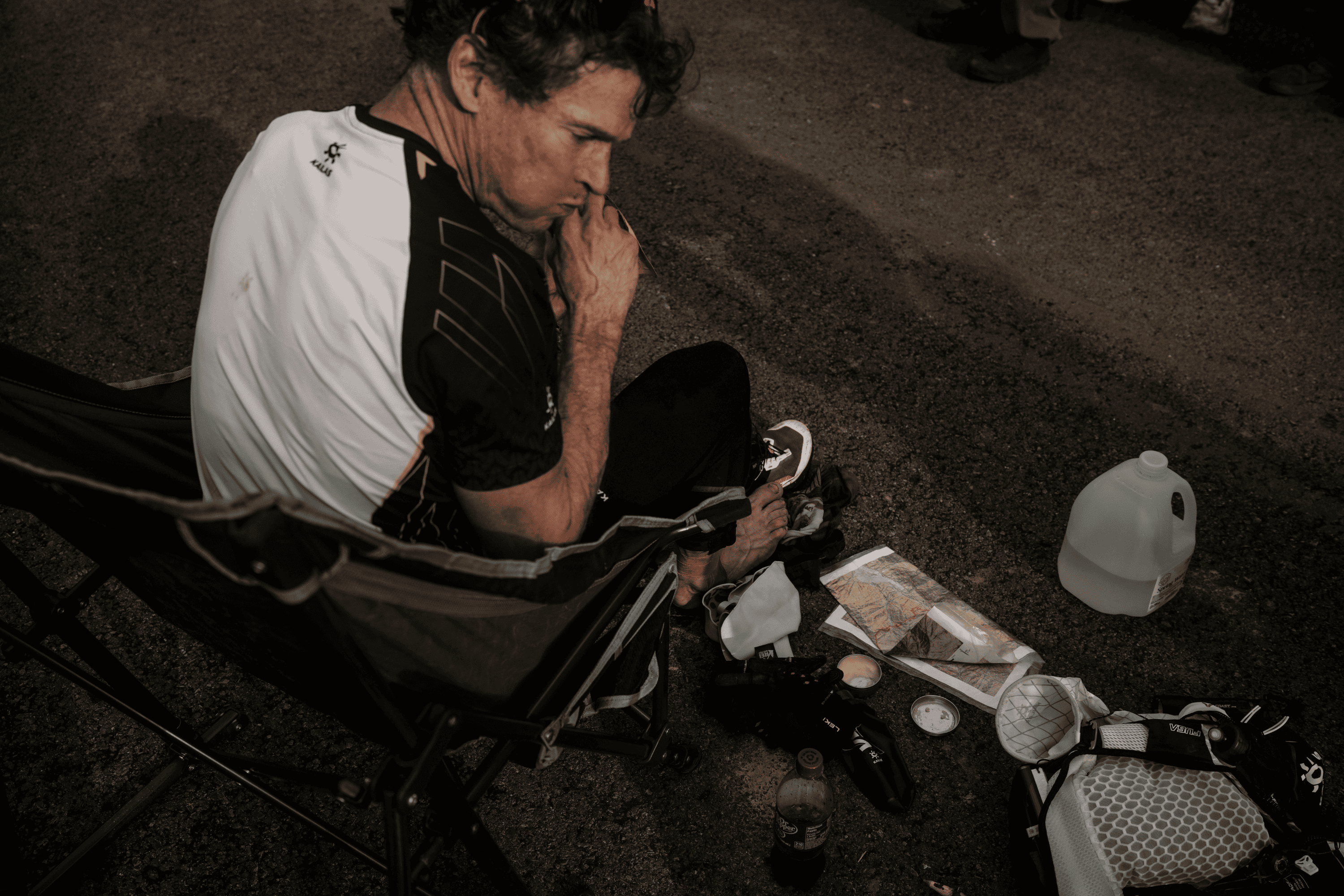
Max King, a previous world champion in mountain and trail running who competed on Team USA in September, has returned to camp from loop 1 as one of the first runners. He seems content and calm—no fear, and happy to be able to be out on loop 2 after his race ended on loop 1 last year with a torn meniscus.
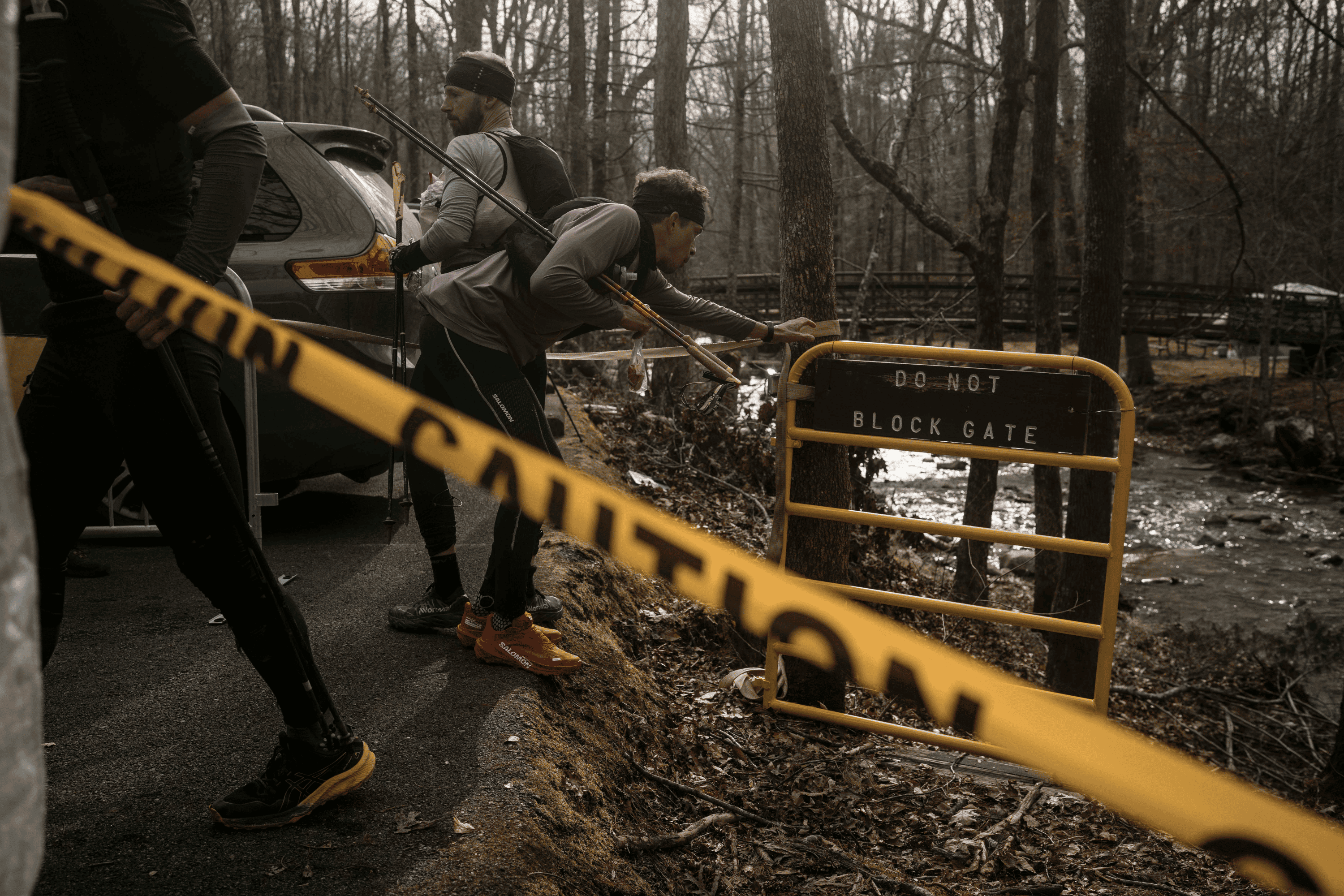
Mathieu Blanchard, a French ultrarunning star, and the U.K.’s Damian Hall, who’s made it onto loop 5 twice before, touch the gate marking the finish of loop 1 so they can be issued their new bibs for loop 2. Bib numbers correspond to the pages runners must rip from each of 16 books hidden along the course to prove they’ve completed the full loop.
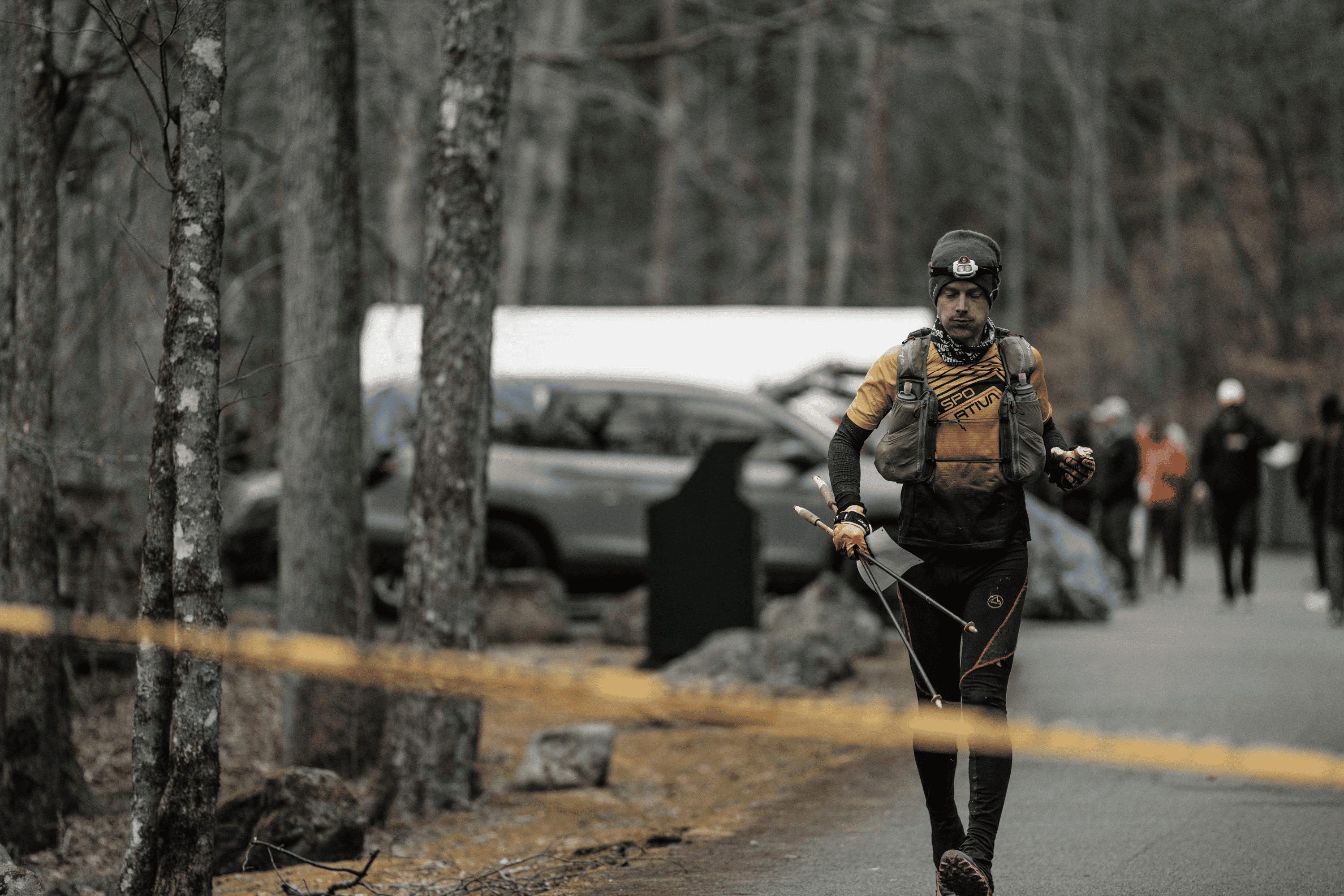
Coming into the race, hope was on three-time finisher and nine-time starter John Kelly to shepherd the flock, as he’s so skillfully done in previous years. It seems like a knee injury that also forced him to DNF the Winter Spine Race several weeks previously thwarted his Barkley run. Here, he’s going out on loop two. He would not finish it.
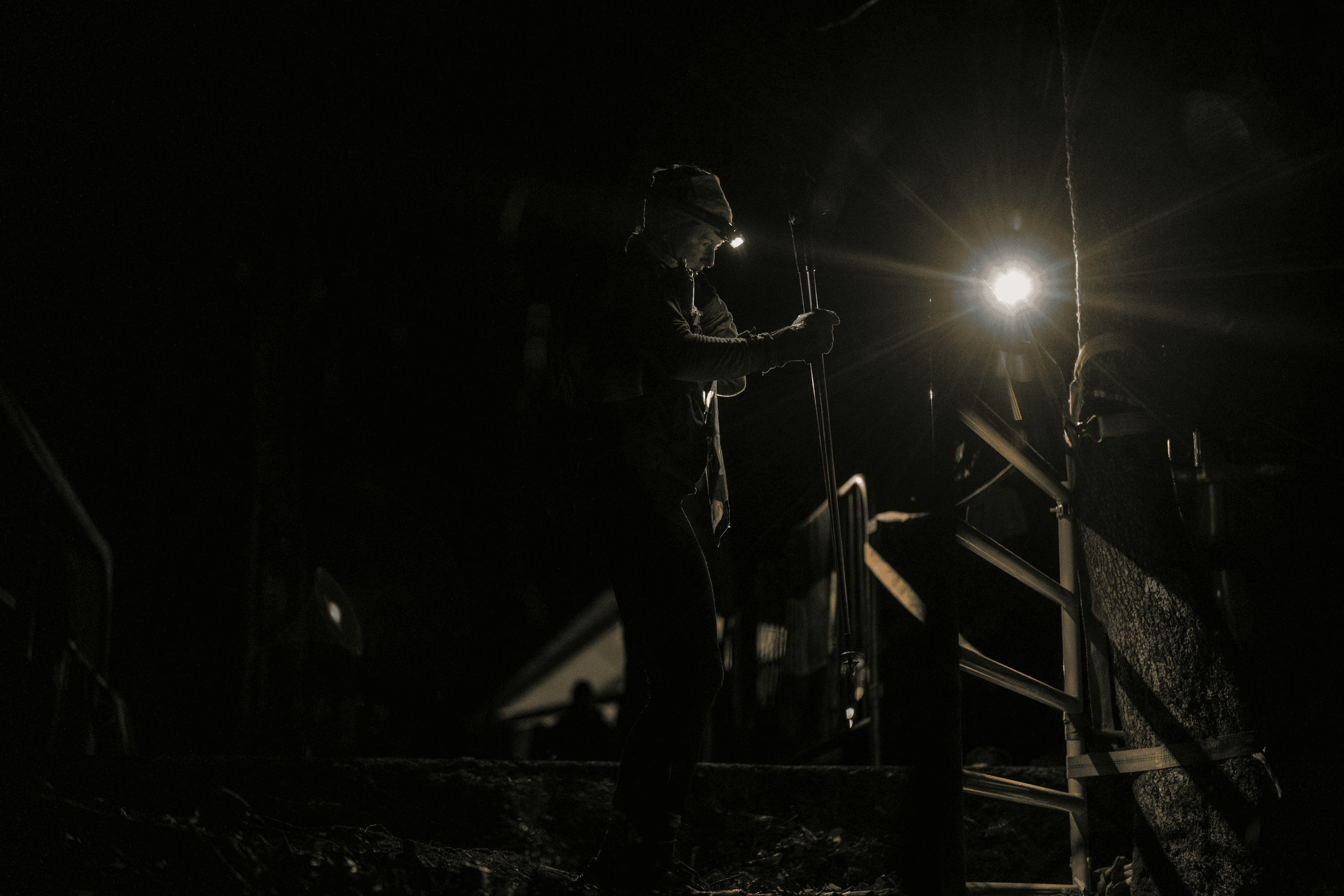
Barkley “virgin” Séverine Vandermeulen of Belgium is about to leave camp for loop 2. The weather is about to shift. Strong southerly winds are ripping down the mountain. And southern winds often mean rain, according to Laz.
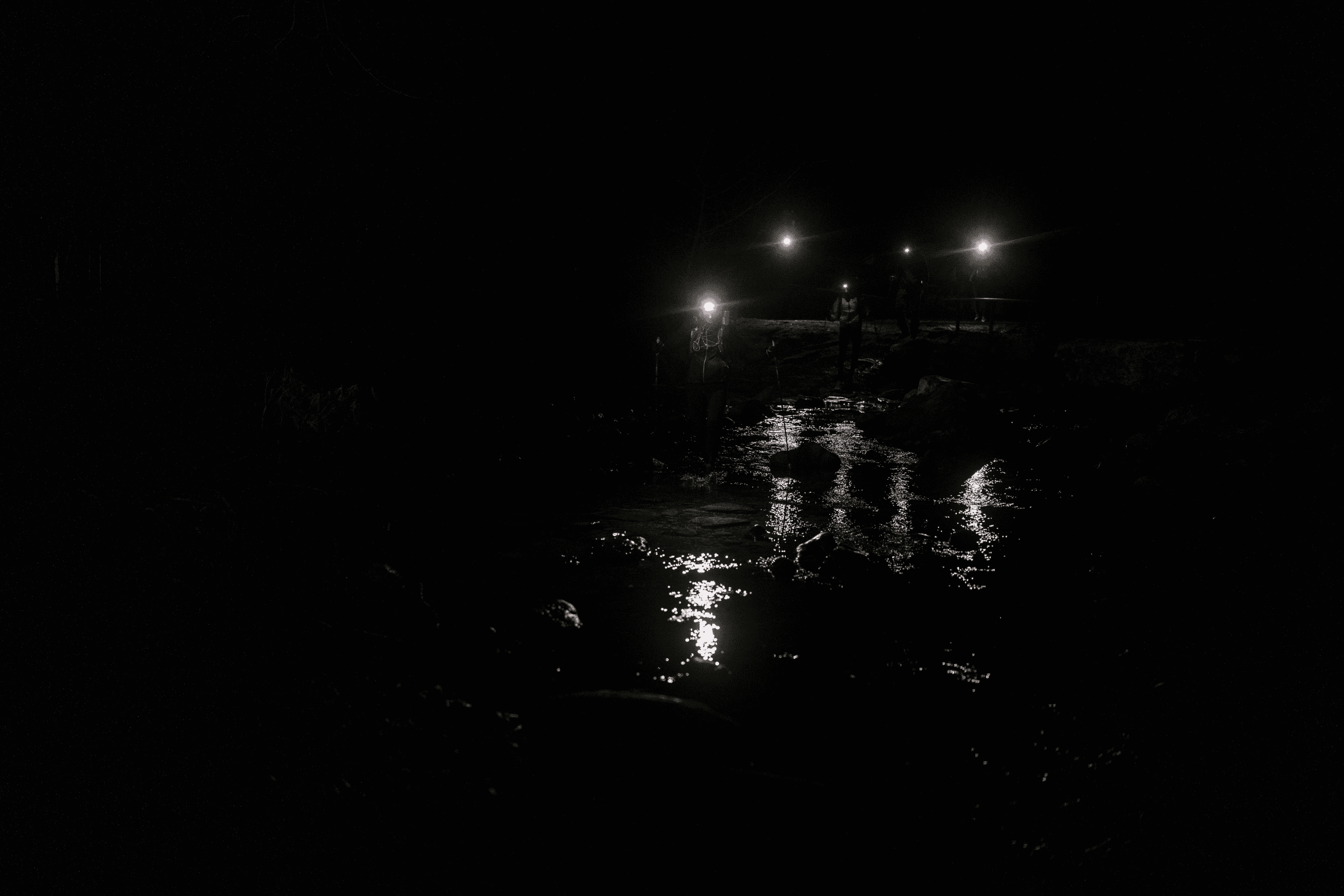
Night has fallen, and the weather remains cold but calm. It’s a little over 12 hours elapsed, and runners are negotiating the creek—a new addition this year thanks to the new start/finish area—just before the gate marking the end of loop 1. In total, 12 runners will finish loop 1 within the 13:20 cutoff.
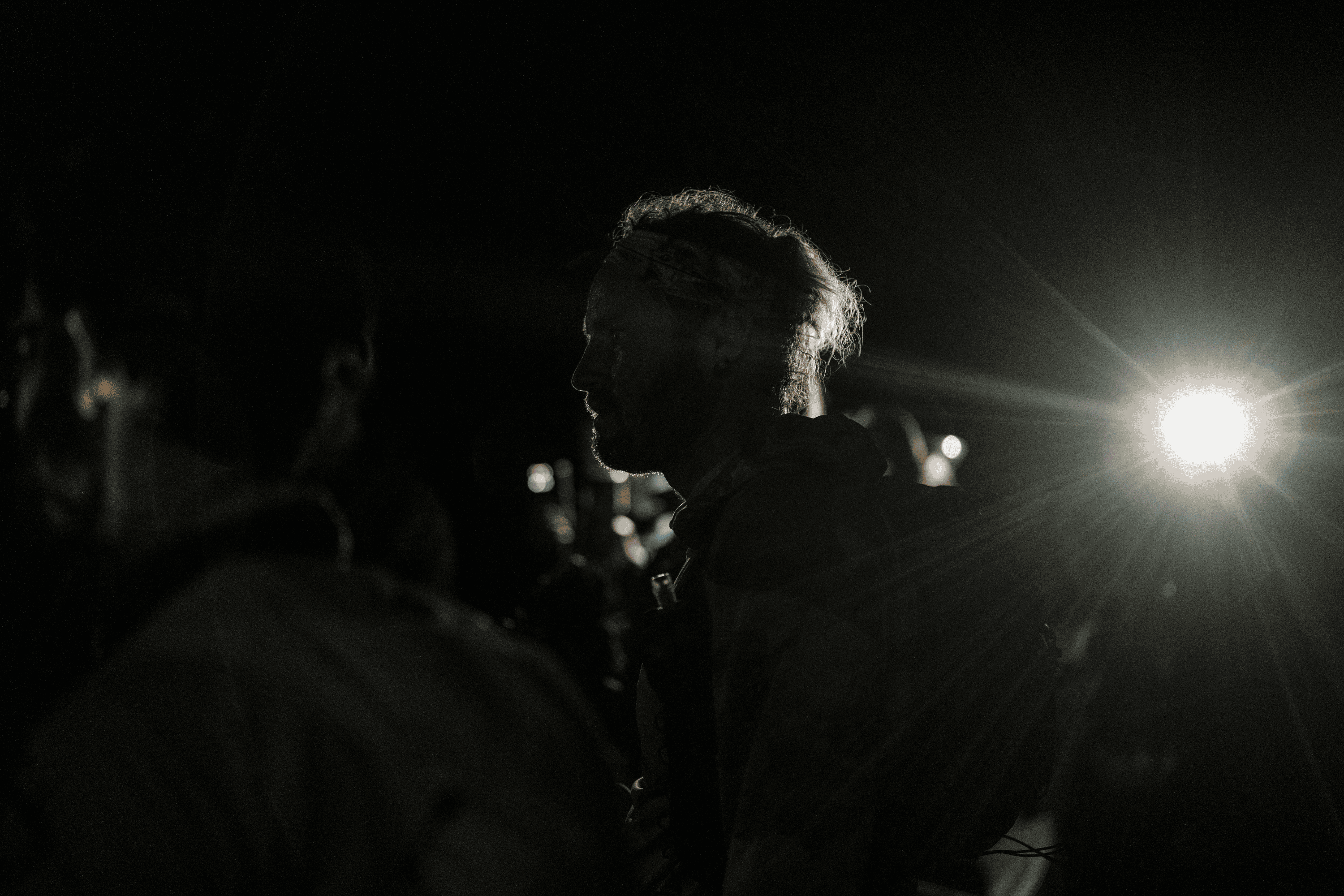
Jeff Garmire, who set an FKT on the Appalachian Trail last summer, taps out after loop 1. He took a fall and bruised his ribs, slowing him down to the point of not finishing in time to begin loop 2.
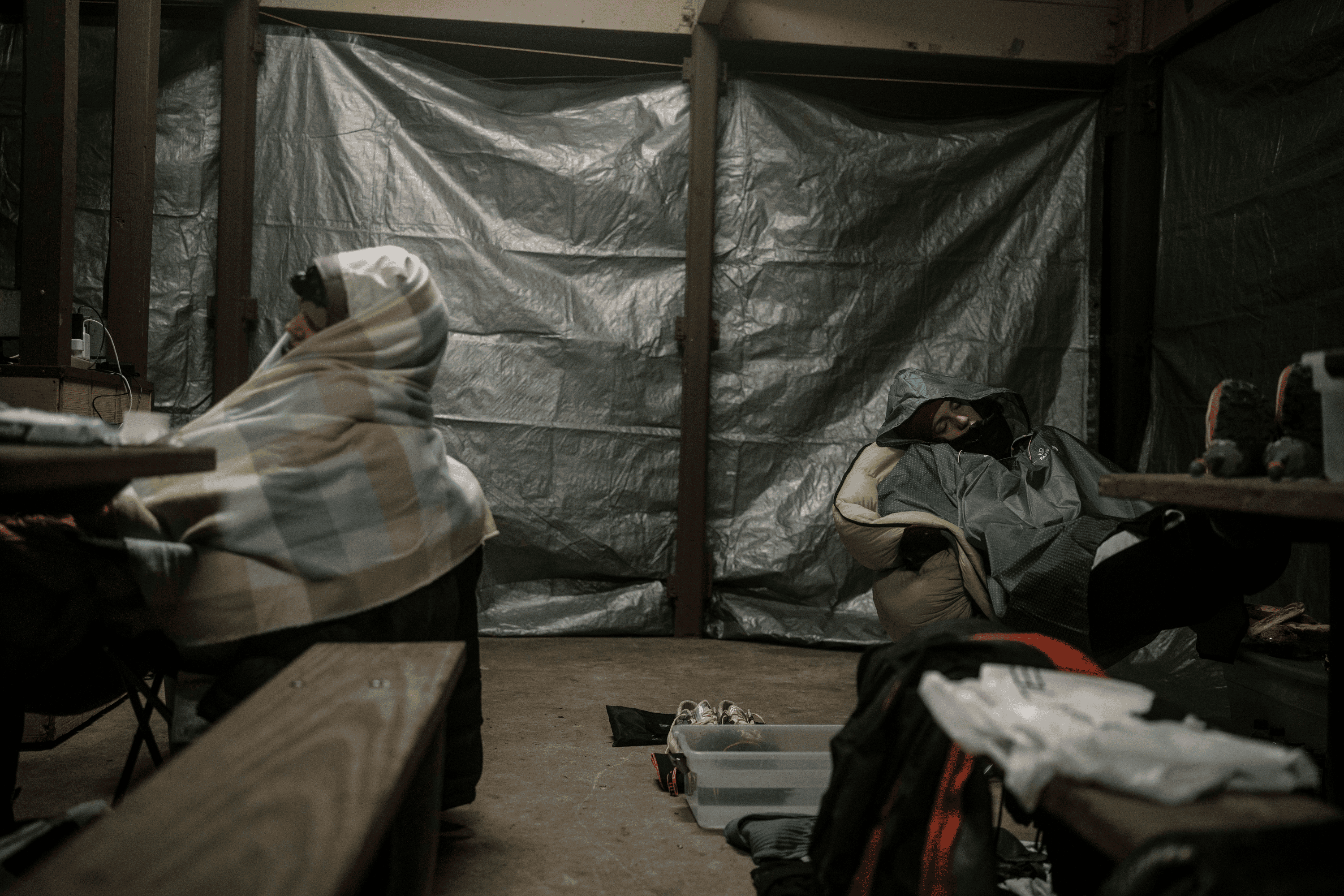
Tarps have been strung up at the shelter to keep out the impending rain. A fire burns, but the near sub-freezing temps still feel chilly for those waiting in camp.
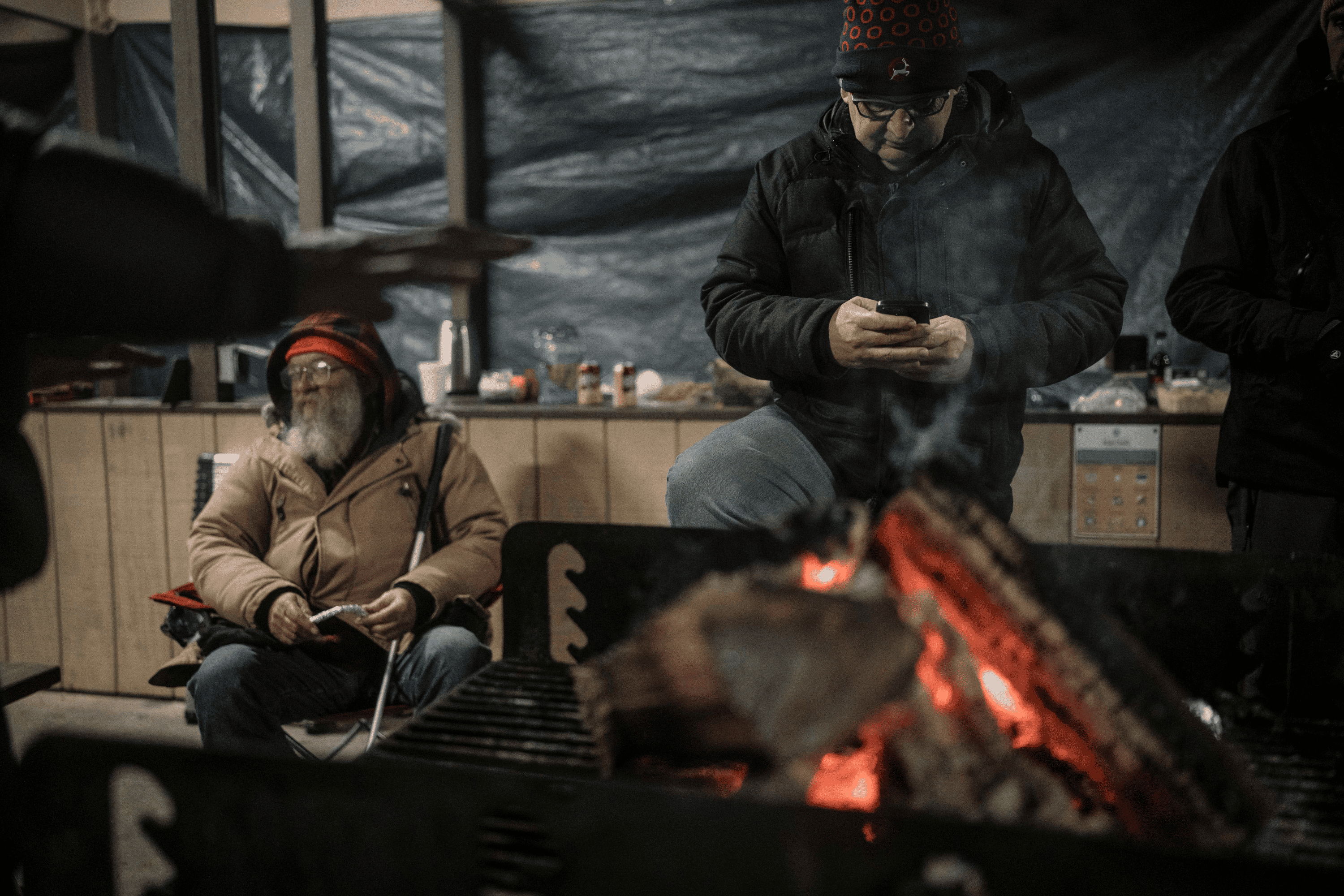
Keith Dunn, the only witness granted permission to disseminate often cryptic updates to the outside world, is doing just that as Laz tries to keep warm.
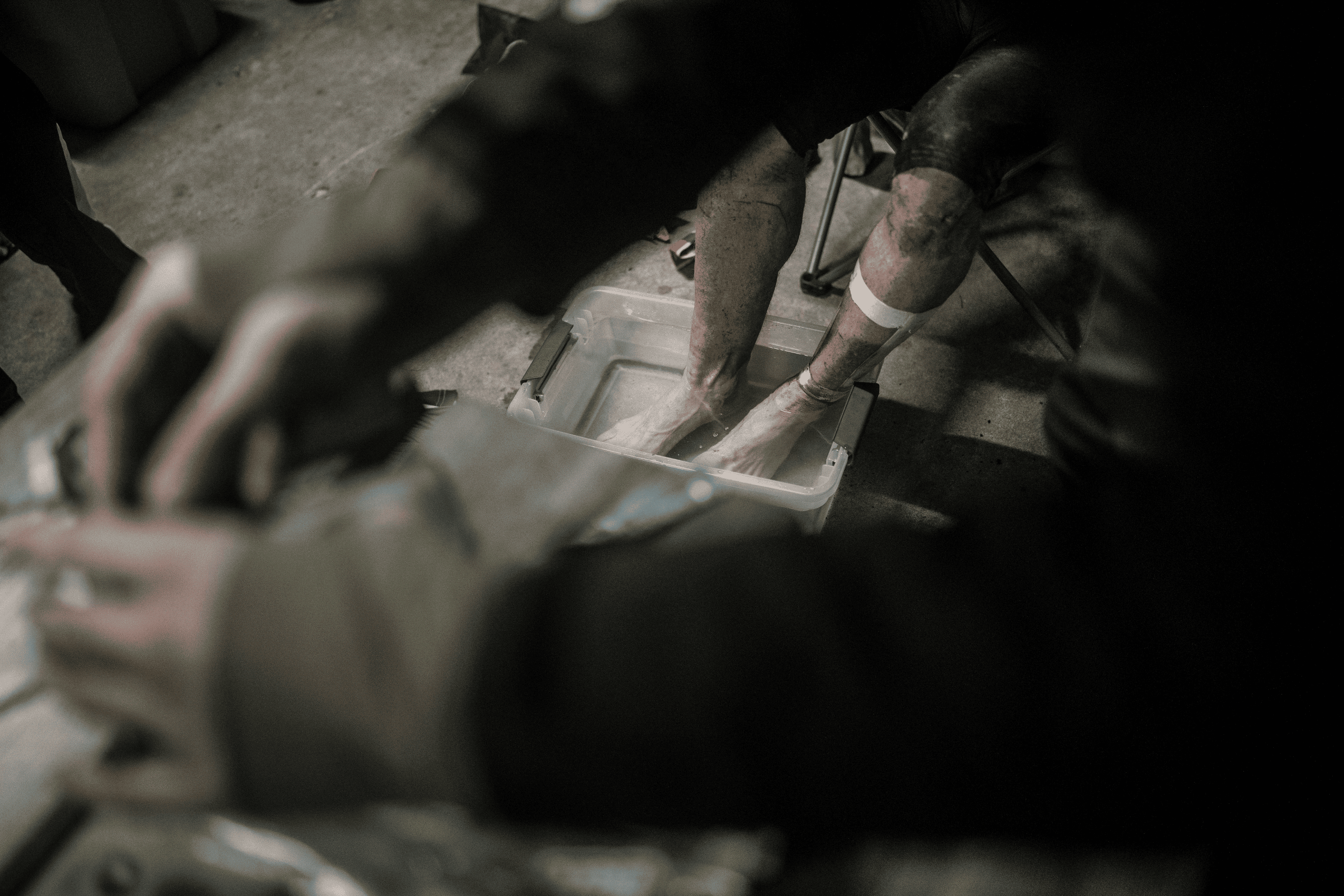
Runners start returning from loop 2 just after 4:35 a.m., 22:35 into the race. It’s still cold, and now it’s raining. Everything is rapidly getting more complicated for everyone at the Barkley.
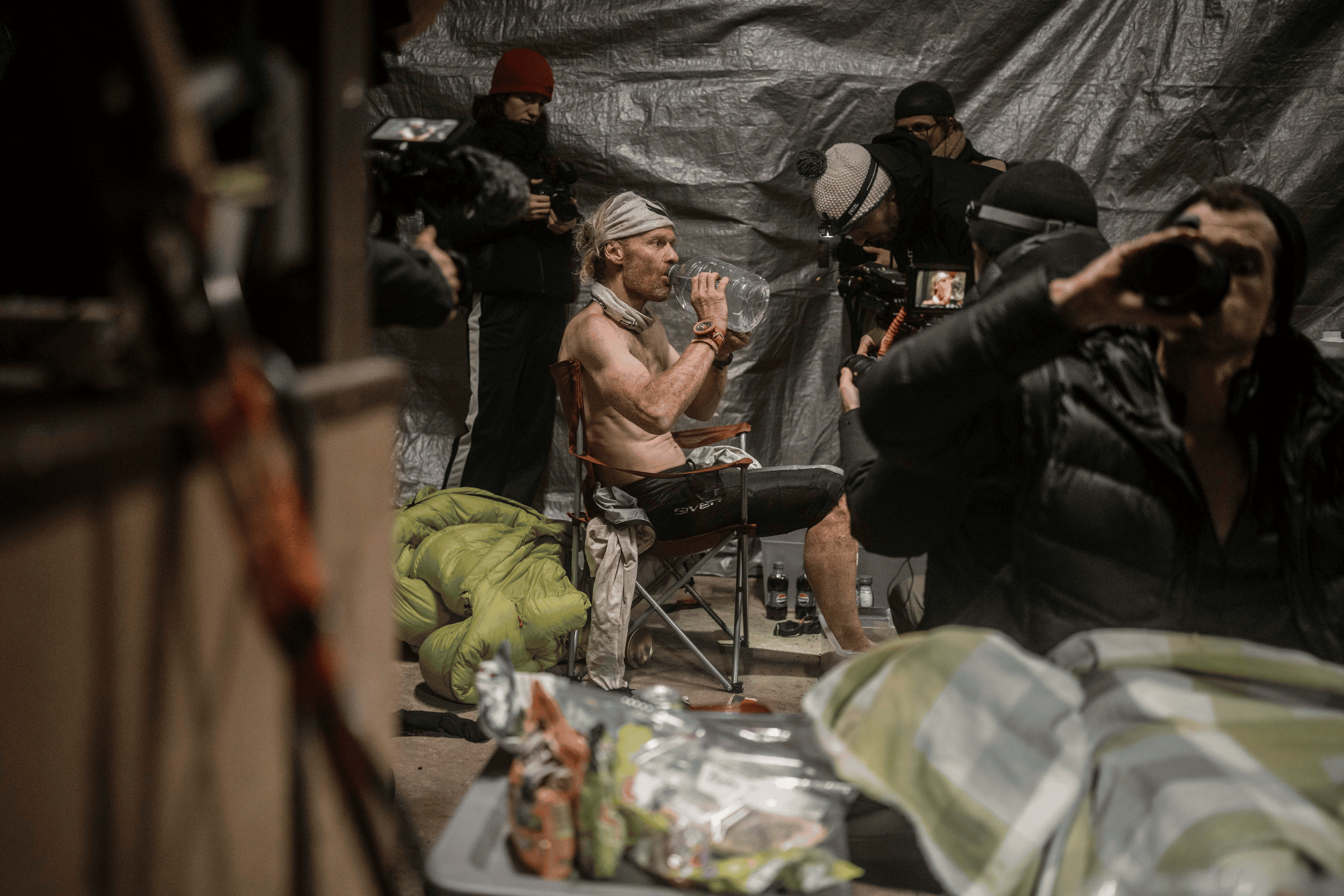
“Old French Guy” Sébastian Raichon and “Another French Guy” Mathieu Blanchard recoup from loop 2 near the fire. A wet loop 3 awaits.
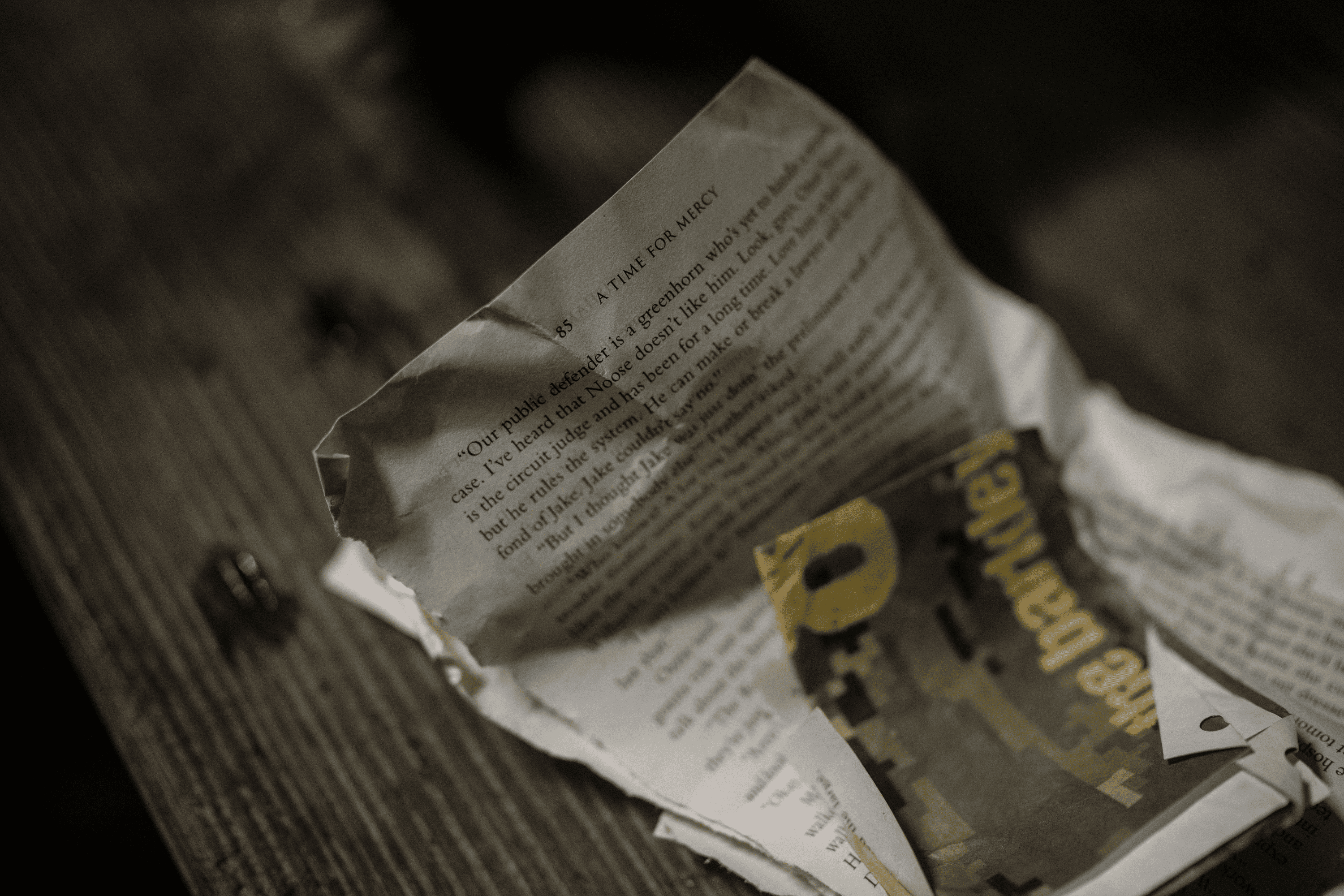
The pages have been collected on loop 2. We can only imagine Laz’s book choices are not random. The race is heating up—and more literally, cooling down.
After almost 30 hours, the remaining runners have returned from loop 1. They got lost but decided to collect all 16 pages and complete the loop anyway. There’s a palpable release of tension among the crew.
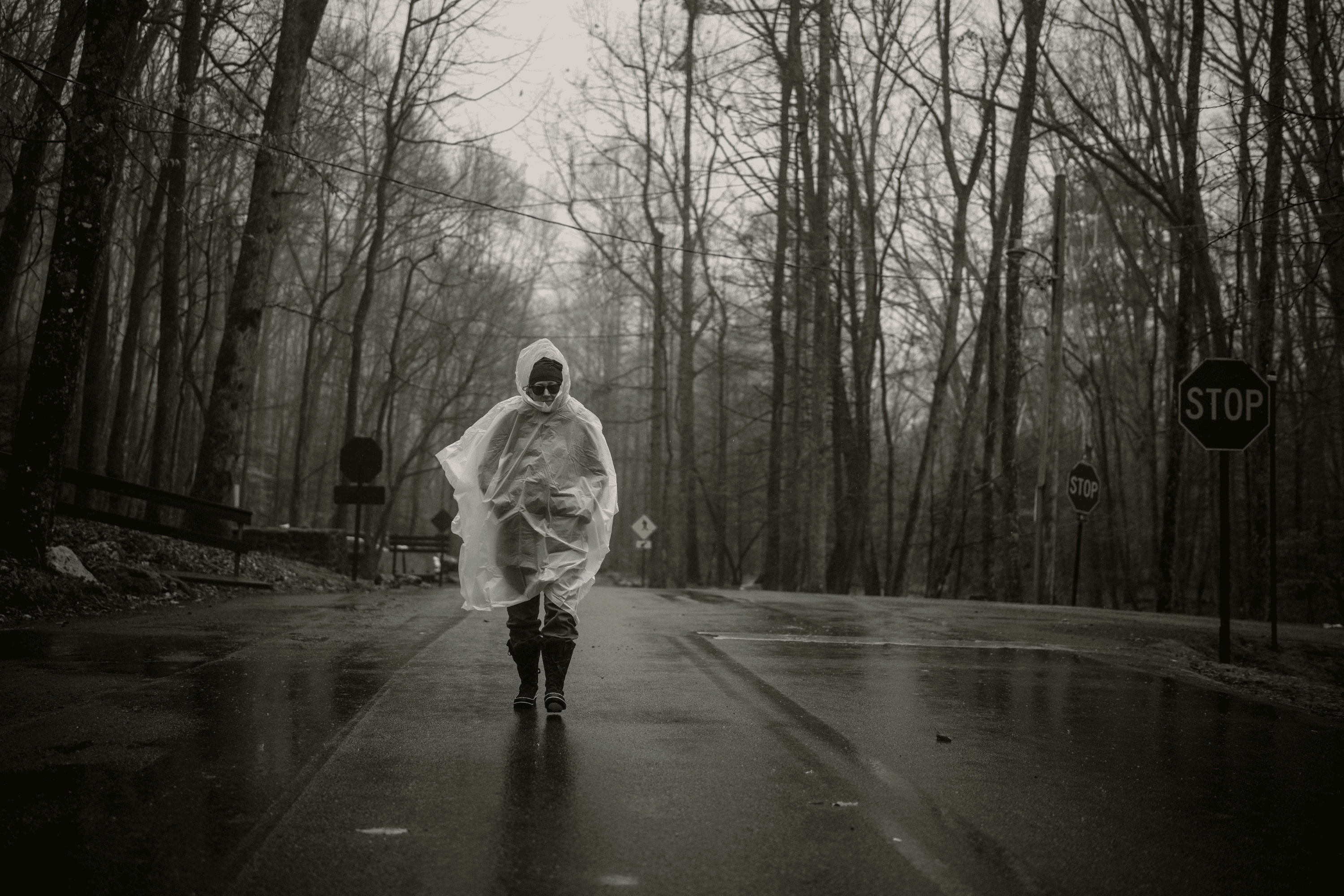
The rain is coming down, and the character of the race is changing. Everyone in camp seeks shelter somewhere—cars, tents, and whatever they can find. Meanwhile out on course, the remaining runners face difficult terrain made even more challenging by fog and slippery mud.
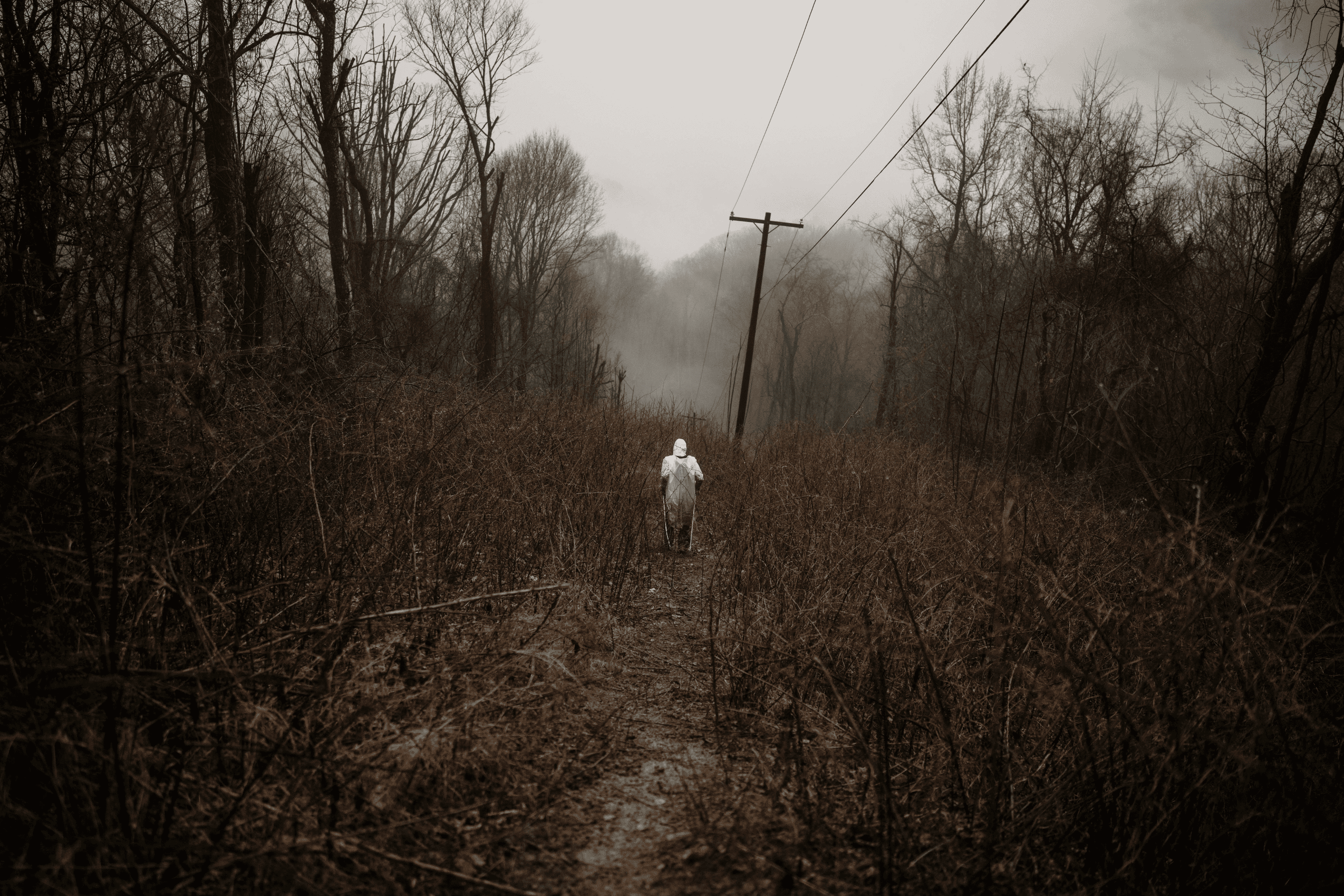
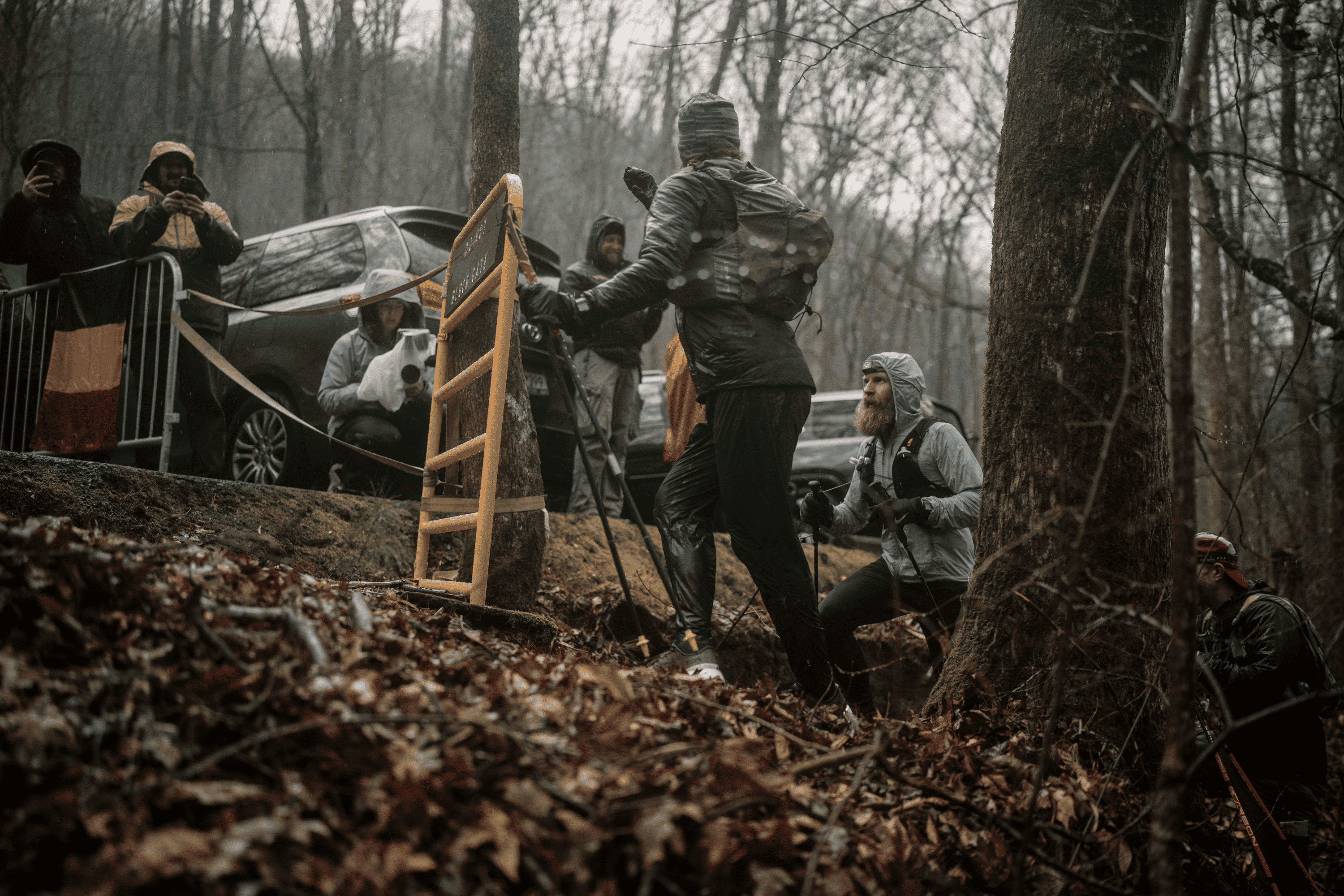
Photographer Jacob Zocherman waited for five hours in the pouring rain on Rat Jaw, hoping Sébastian Raichon would eventually arrive. “I feel usually patient, and even me I was ‘like f*** this,'” he says. “Then he came and it was like a Biblical moment, the telephone wires like a cross. He was submerging from heaven to the underworld. He had this haunted look in his face, and then he slipped and started laughing.”
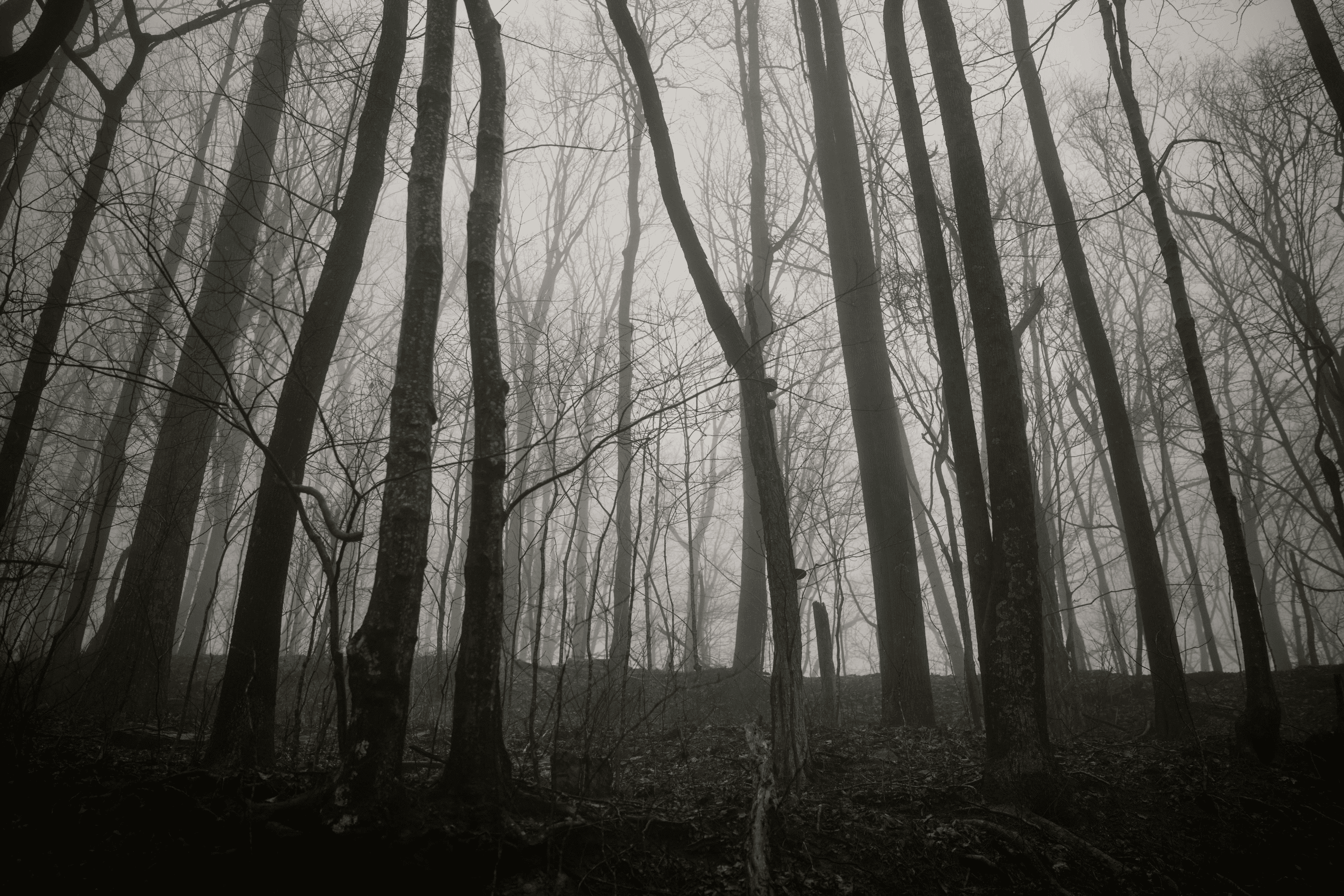
The trees stand in silent witness to the race, which has taken all but two runners out. Sébastian Raichon and Damian Hall are the only ones remaining on loop 3.
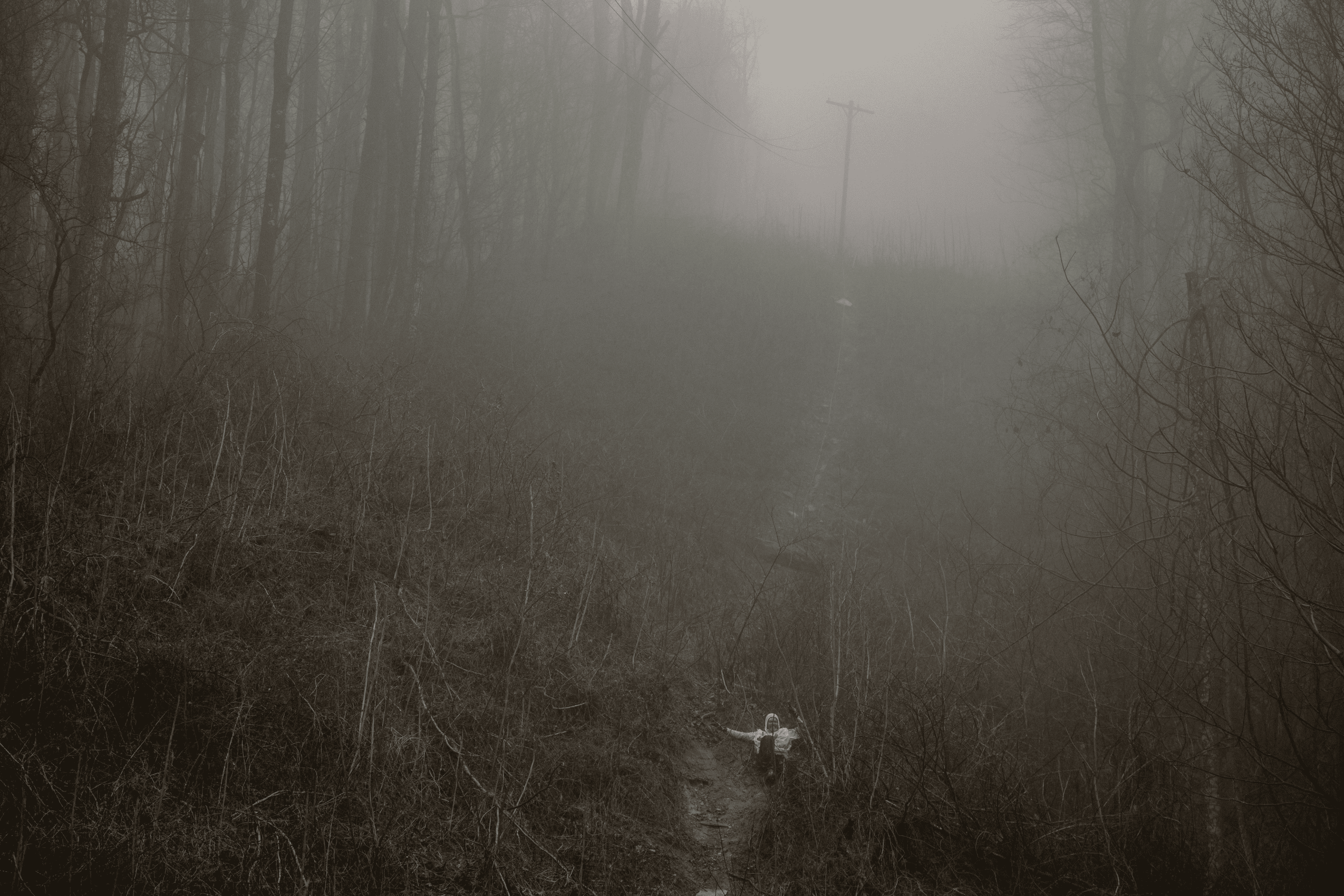
Wet, exhausted, clothing in tatters, and laughing manically, Sébastian Raichon descends Rat Jaw once again. He has just 2.5 hours to get back to camp with a chance of beginning loop 4. It’s a near mathematical impossibility in these conditions, but the promise of a “fun run” remains.
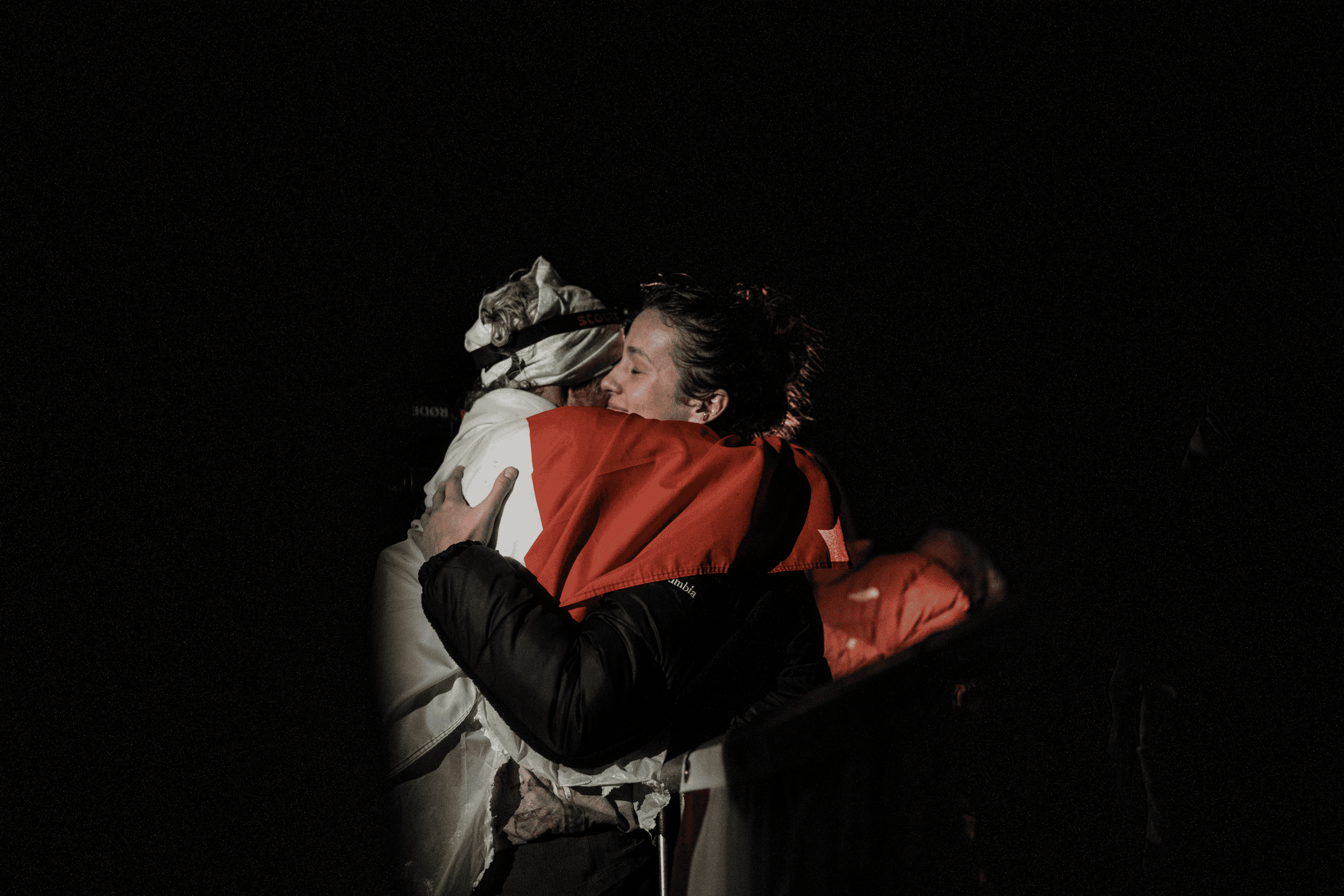
The end. Sébastian Raichon hugs his daughter, Mimi, after coming in from loop 3 in 38:05 for a “fun run.” Last year, she was shedding tears of worry for her father, who was suffering deeply during the race and didn’t finish the third loop. They are both in much better spirits.

